In today’s fast-paced world, grabbing a quick bite from outside has become a daily habit for many. While takeout may seem convenient, it often comes with hidden costs—processed ingredients, excess oil, added sugar, and preservatives that can harm your body in the long run. If you’re serious about your health, the best thing you can do is return to your roots: Benefits of Eating Homemade Food
Eating food made at home isn’t just about saving money or controlling portion sizes—it’s about nourishing your body with clean, balanced, and wholesome ingredients. When you prepare meals yourself, you know exactly what goes into your plate, and that alone is a powerful step toward a healthier lifestyle.
🍲 Why Homemade Food is Better for Your Health
1. No Hidden Preservatives or Chemicals
Unlike restaurant meals or packaged snacks, homemade food is free from artificial flavors, MSG, or harmful additives. You cook with fresh vegetables, whole grains, and real spices, making your meals naturally rich in nutrients.
2. Portion Control and Balance
When you cook at home, you’re in control—not just of the ingredients, but also of the quantity. This helps prevent overeating and allows for a better balance between carbs, proteins, and healthy fats.
3. Better Digestion and Gut Health
Homemade meals often include fibre-rich foods like whole wheat, lentils, fresh fruits, and vegetables. These ingredients improve digestion, reduce bloating, and support a healthy gut.
4. Supports Weight Management
Contrary to popular belief, dieting doesn’t mean starving. Eating nutritious home-cooked food can actually help you lose or maintain weight without feeling deprived.
Keywords: benefits of homemade food, healthy eating habits, digestion-friendly meals, weight loss with home-cooked food
🥦 What to Eat to Stay Healthy at Home
Choosing the right food matters as much as cooking it at home. Here’s a list of simple yet powerful ingredients that should be part of your daily diet:
✅ Whole Grains
- Brown rice, oats, quinoa, millets
- High in fiber, improves heart health
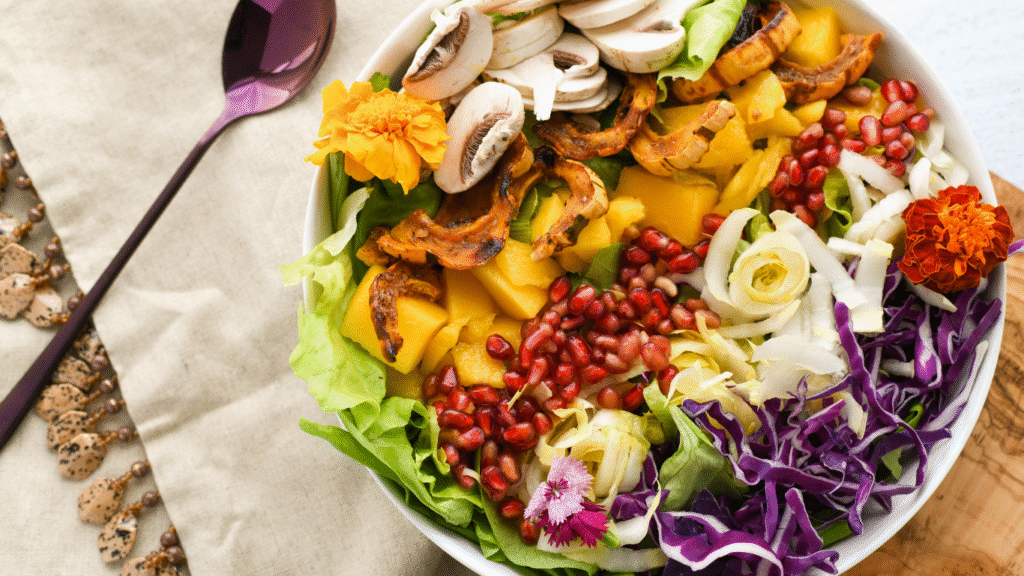
✅ Fresh Vegetables (at least 3–4 servings daily)
- Leafy greens like spinach, methi, and coriander
- Carrots, bell peppers, tomatoes, broccoli
- Steam, sauté, or include in soups and curries
✅ Protein-Rich Foods
- Lentils (dal), chickpeas, kidney beans
- Paneer, tofu, eggs, or lean meats if non-vegetarian
- Protein keeps you full and supports muscle strength
✅ Healthy Fats
- Use ghee, olive oil, or mustard oil in moderation
- Add nuts like almonds, walnuts, or flaxseeds
✅ Seasonal Fruits
- Mangoes, apples, bananas, oranges, guava
- A natural source of vitamins, antioxidants, and hydration
✅ Homemade Drinks
- Buttermilk, herbal tea, coconut water, lemon water
- Skip sugary sodas and processed juices
Keywords: healthy Indian meals, best foods to eat at home, what to eat for immunity, clean eating at home
🕒 Healthy Eating Habits to Build Around Homemade Food
- Stick to Meal Timings – Eat breakfast within an hour of waking up and avoid late-night snacking.
- Cook Fresh – Avoid leftovers for more than a day; freshly cooked food retains more nutrients.
- Hydrate Well – Drink 2–3 litres of water daily, preferably warm or room temperature.
- Use Seasonal Ingredients – Local and seasonal food supports your immune system better.
- Avoid Over-Frying – Steam, sauté, or grill instead of deep-frying.
🧠 Final Thoughts
The secret to long-term health doesn’t lie in crash diets or expensive superfoods—it begins in your own kitchen. Homemade food, when cooked with care and eaten mindfully, can improve your digestion, boost immunity, and maintain a healthy weight. By choosing fresh ingredients, cooking methods that preserve nutrients, and eating with intention, you can enjoy better energy, sharper focus, and overall wellness.
So the next time you’re tempted to order in, remember: your healthiest meal is probably the one you make at home.