For centuries, humans have looked to the skies for answers. Whether to predict the weather, understand their fate, or guide personal decisions, the stars have held a special place in many cultures. This practice—known as astrology—continues to be both respected and debated today. So, is astrology true, or is it just an ancient belief system?
Let’s dive into its origins, significance, and why it still matters in the modern world.
What Is Astrology?
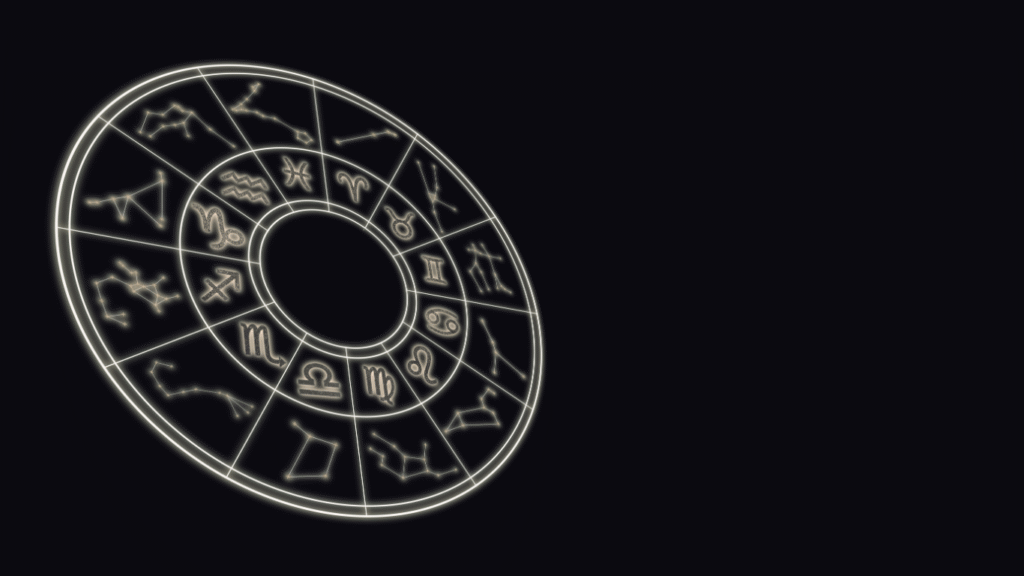
Astrology is the study of the movements and positions of celestial bodies—like the sun, moon, planets, and stars—and how they influence human behavior and events on Earth. It’s based on the idea that the universe is interconnected, and the positions of these cosmic entities at the time of your birth can reveal insights about your personality, relationships, career, and even destiny.
Is Astrology True? A Matter of Belief and Perspective
Scientifically, astrology isn’t proven in the way physics or chemistry is. However, for millions around the world, it provides real emotional clarity, life guidance, and self-understanding. Some view astrology as a spiritual tool rather than a science—more about personal insight than factual prediction.
In fact, astrology has been practiced for thousands of years and is deeply rooted in many ancient civilizations like Babylon, Egypt, India, and Greece.
A Glimpse Into the History of Astrology
- Babylonian Origins (circa 2000 BCE): One of the oldest records of astrology comes from Mesopotamia, where celestial observations were used to predict natural disasters and royal affairs.
- Greek Influence: Philosophers like Ptolemy helped formalize astrological theory, blending it with mathematics and astronomy.
- Indian (Vedic) Astrology: In India, astrology evolved as Jyotish Shastra, a key part of Vedic traditions. It still plays a significant role in Indian culture—especially in marriage, career, and religious rituals.
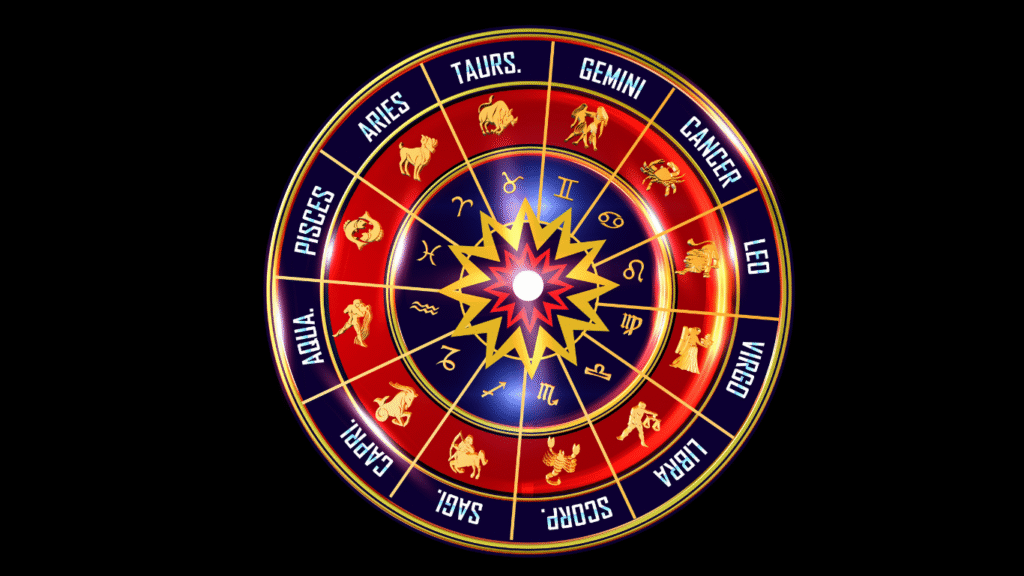
- Western Astrology: Based on the zodiac signs, houses, and planetary aspects, Western astrology grew prominent in Europe and remains widely followed today.
Why Astrology Still Matters Today – Is Astrology True
Despite the rise of science and technology, astrology continues to thrive in modern society. Here’s why:
1. Self-Reflection and Guidance
Horoscopes and birth charts can offer emotional clarity and encourage self-awareness. People often turn to astrology when they’re feeling lost or facing big decisions.
2. Cultural and Spiritual Significance
In countries like India, astrology is embedded in religious rituals and cultural traditions. Birth charts are consulted before weddings, housewarmings, and other key life events.
3. Emotional Comfort and Hope
For many, astrology serves as a source of hope. During uncertain times, it provides a feeling of connection to something bigger than oneself.
4. Compatibility and Relationships
Many people explore astrological signs to understand relationship compatibility and navigate love and communication better.
Criticism and Skepticism
It’s fair to acknowledge that many scientists and rationalists dismiss astrology as pseudoscience due to lack of empirical evidence. However, belief in astrology often goes beyond data—it’s about intuition, faith, tradition, and the emotional experience it offers.
Final Thoughts: Truth Lies in Interpretation
So, is astrology true? The answer depends on what you seek from it. While it may not predict exact events, many find that it helps them understand themselves, their relationships, and their purpose. Whether you follow it as a belief system, a cultural practice, or a tool for personal growth, astrology’s importance is undeniable—and its influence shows no sign of fading.