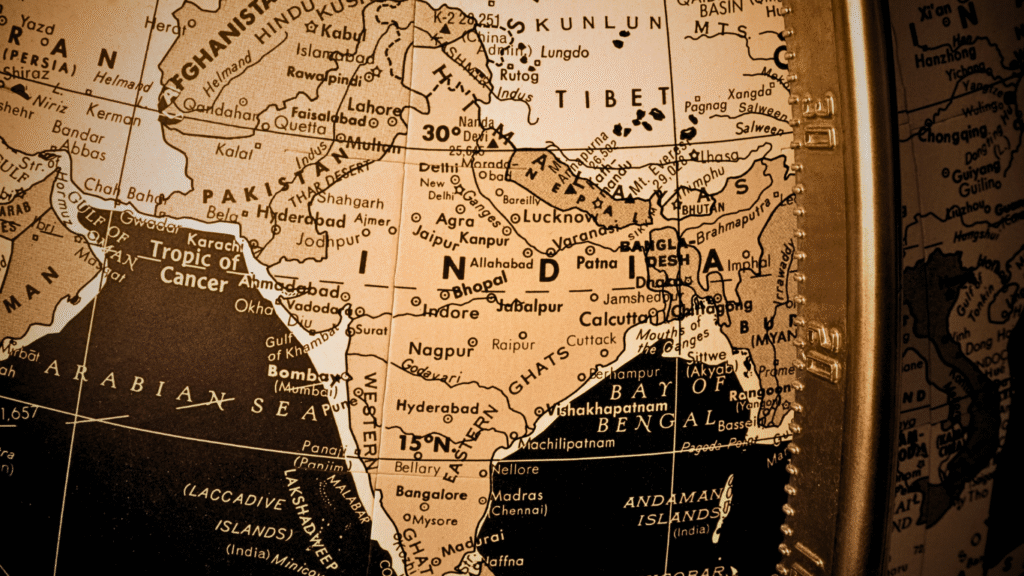
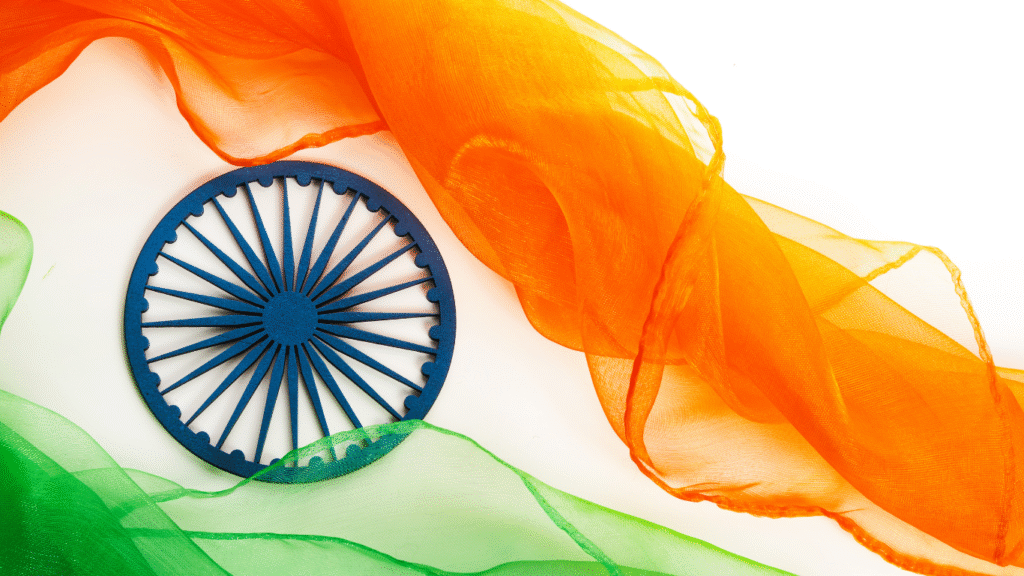
Every year on August 15, India celebrates its Independence Day of India with pride, patriotism, and a deep sense of gratitude. It marks the day in 1947 when India finally broke free from over two centuries of British colonial rule and emerged as a sovereign democratic nation.
This day is more than just a national holiday—it’s a reminder of the countless sacrifices made by freedom fighters, the resilience of a nation, and the power of unity among diverse cultures, languages, and traditions.
🕰️ History of India’s Independence
The story of India’s independence is one of struggle, courage, and non-violent resistance. The fight for freedom gained momentum in the mid-19th century, with leaders like Rani Lakshmi Bai, Mangal Pandey, and Bal Gangadhar Tilak setting the stage for revolution.
In the 20th century, the movement was transformed under the leadership of icons like:
- Mahatma Gandhi – champion of non-violence and civil disobedience
- Jawaharlal Nehru – first Prime Minister of independent India
- Subhas Chandra Bose, Bhagat Singh, Sardar Vallabhbhai Patel, and many others who inspired millions to rise against British rule
After years of protests, boycotts, imprisonments, and sacrifices, India finally attained independence on August 15, 1947.
🏛️ Why August 15 Was Chosen
The date wasn’t random. The last British Viceroy of India, Lord Mountbatten, chose August 15 as it was the same day Japan surrendered to the Allies in World War II in 1945, symbolizing victory and transition.
🎉 How India Celebrates Independence Day
Across the country, Independence Day is celebrated with immense patriotic fervor. From the national flag hoisting to cultural performances and parades, every Indian takes part in the tribute to freedom.
Key Celebrations:
- Flag Hoisting at Red Fort: The Prime Minister of India hoists the tricolour and addresses the nation.
- Cultural Programs in Schools and Colleges: Patriotic songs, plays, and dance performances.
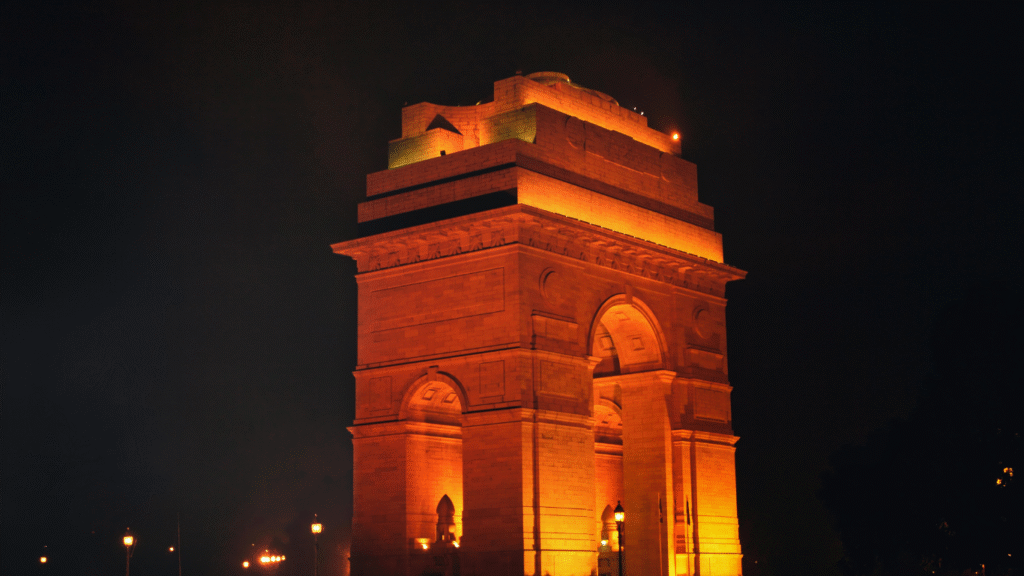
- Patriotic Decorations: Homes, offices, streets, and landmarks are decked in saffron, white, and green.
- Parades & Marches: Organized by armed forces and local groups.
- Kite Flying: Especially popular in Delhi and northern states, symbolizing freedom in the skies.
🇮🇳 Significance of Independence Day Today
Independence Day is not just about remembering the past. It is also about reflecting on the present and shaping the future. It reminds us of our duty to uphold the values of:
- Democracy
- Unity in diversity
- Equality and freedom of expression
- Responsibility toward our nation
In today’s context, Independence Day is also a time to celebrate India’s growth in science, technology, culture, and global leadership.
🧭 How Young Generations Can Contribute
As India marches forward, the youth play a crucial role in carrying the legacy of freedom forward. By being informed, responsible, and active citizens—students, entrepreneurs, and professionals can all contribute to building a stronger and more united India.
Simple Ways to Celebrate with Purpose:
- Learn about unsung freedom fighters
- Volunteer or donate to a social cause
- Support “Made in India” products
- Participate in local Independence Day events
- Share stories of freedom with younger generations
✨ Conclusion: More Than Just a Date
August 15 is not just a date on the calendar—it is a tribute to India’s strength, its people, and its journey. It is a celebration of freedom earned, hope reborn, and progress promised.
As we hoist our flags and sing the national anthem, let us remember the blood, sweat, and dreams that made our freedom possible—and pledge to honor it, every single day.