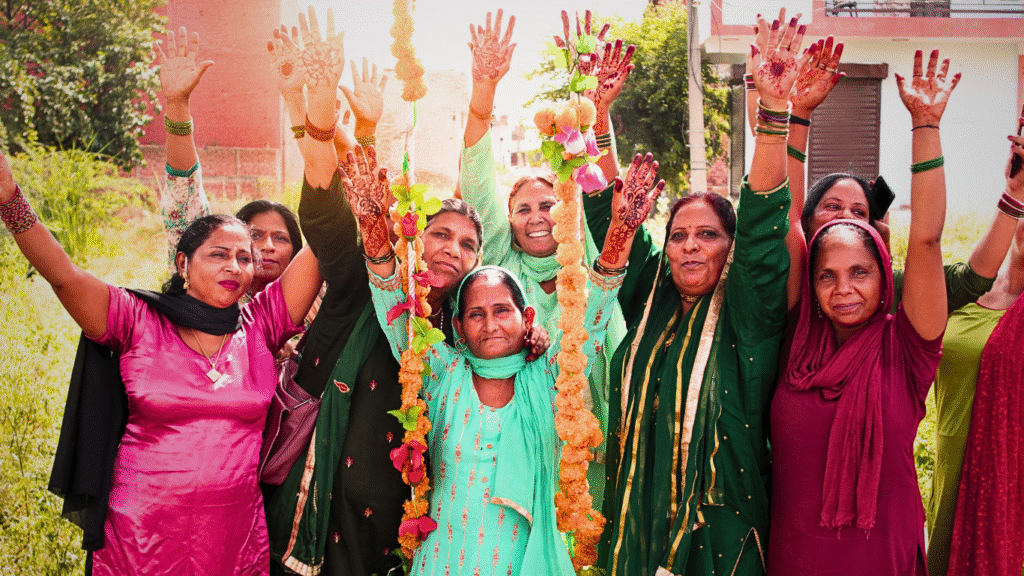
Why Teej is celebrated? Teej is a vibrant and deeply spiritual festival celebrated by women, especially in North India and Nepal. Dressed in bright red sarees, adorned with bangles and henna, women gather to pray for marital happiness, the well-being of their husbands, and a blissful family life. More than a festival, Teej is a sacred tradition passed down through generations.
🌿 What is Teej?
Teej refers to a group of Hindu festivals named after the third day (“Tritiya”) of the lunar fortnight. The most prominent is Haritalika Teej, observed in the monsoon season. Women observe a day-long nirjala vrat (fast without food or water) as a sign of devotion and strength.
🕉️ History and Mythological Roots
The origins of Teej go back to the divine love story of Goddess Parvati and Lord Shiva. According to Hindu mythology, Parvati undertook intense penance to win Shiva as her husband. Pleased with her dedication, Lord Shiva accepted her, and their union became a symbol of eternal love and commitment. Teej celebrates this powerful tale, making it a day of devotion, prayer, and feminine strength.
💃 Rituals and Traditions
- Fasting: Women observe a strict fast, often without water, praying for the well-being and long life of their husbands or an ideal life partner.
- Songs and Dance: Traditional Teej songs are sung, and women gather to dance in groups, expressing joy and bonding.
- Swing Rituals: Decorated swings tied to tree branches are symbolic of Teej. Women enjoy swinging while singing folk songs.
- Red Attire & Mehendi: Wearing red symbolizes love and marital bliss. Henna is applied as a part of the festive adornment.
- Puja (Prayer): Special prayers are offered to Lord Shiva and Goddess Parvati, asking for marital happiness and blessings.
🌍 Where is Teej Celebrated?
Teej is primarily celebrated in:
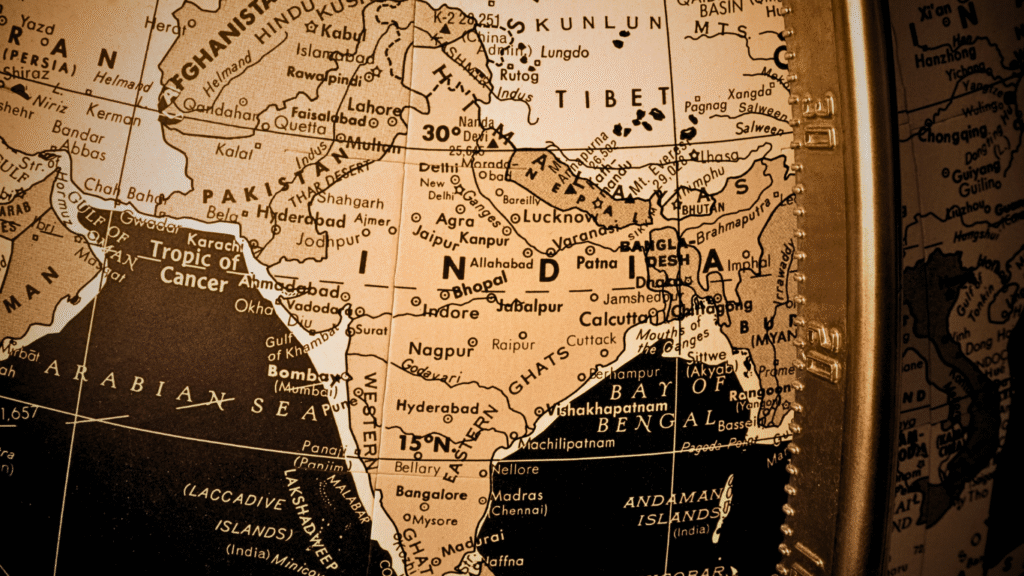
- Punjab, Rajasthan, Haryana, Uttar Pradesh, and Bihar (India)
- Nepal, where it’s a major public holiday and celebrated with temple visits and massive processions.
🌸 Why Teej is Important
Teej is more than a religious event. It is:
- A celebration of female strength and devotion
- A symbol of love, sacrifice, and family values
- A moment for women to gather, sing, and support each other
In today’s world, where traditions are fast-changing, festivals like Teej help preserve cultural roots while empowering women in their own unique way.
✅ Conclusion
Teej Festival is a beautiful blend of devotion, tradition, and celebration. Whether you’re observing the fast or simply joining the festivities, Teej reminds us of the deep emotional bonds that define love and family. Its timeless message of faith and feminine power makes it one of the most meaningful Hindu festivals. So You guys get to know why Teej is celebrated.