
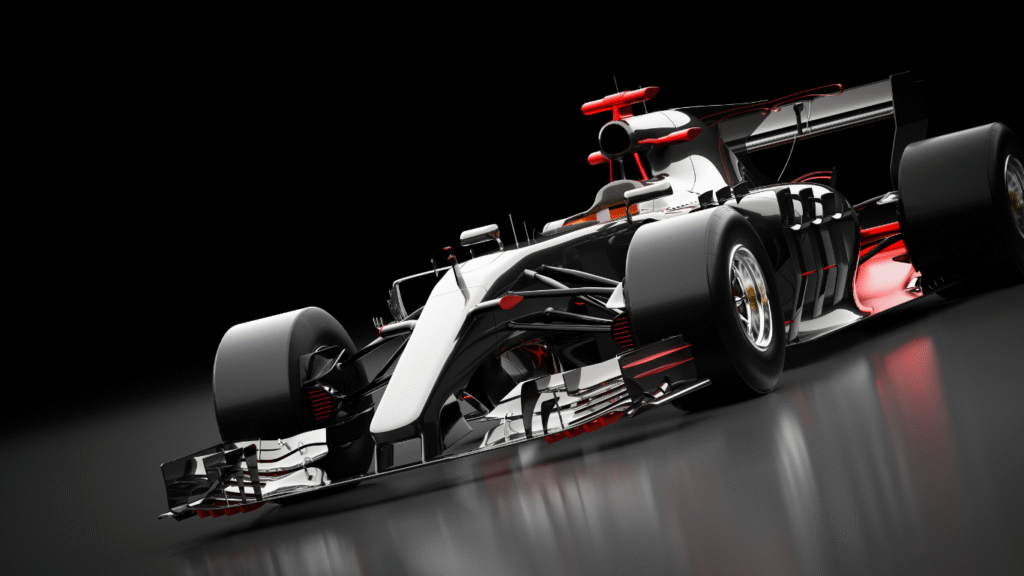
Motorsport has always been a thrilling blend of speed, precision, and passion. While Formula 1 (F1) is the pinnacle of global motorsport, its lesser-known sibling, Formula 2 (F2), plays a crucial role in shaping the future stars of the racing world. If you’ve ever wondered about the difference between F1 and F2 races, you’re not alone. Though both series share the DNA of open-wheel racing, there are key distinctions in terms of performance, rules, technology, cost, and competition.
In this blog, we’ll take a closer look at F1 vs F2, how each championship operates, and why F2 is considered a stepping stone to Formula 1 glory.
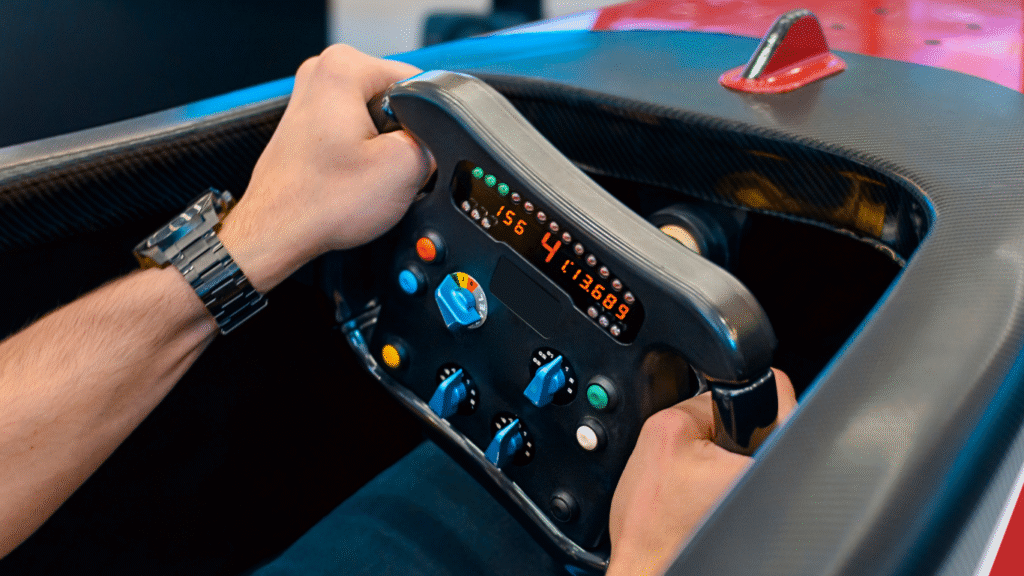
What is Formula 1?
Formula 1, often referred to as F1, is the highest class of international single-seater auto racing sanctioned by the FIA (Fédération Internationale de l’Automobile). Known for its elite status, global fanbase, and cutting-edge technology, F1 is where the best teams and drivers compete for speed, glory, and legacy.
Each team in F1 designs its own car based on strict technical regulations. Races take place in some of the most iconic circuits around the world—Monaco, Silverstone, Monza, and Suzuka, to name a few. The sport is a heady mix of engineering, aerodynamics, driver skill, and team strategy.
What is Formula 2?
Formula 2 is a feeder series directly below Formula 1. It was established to provide young drivers with a platform to showcase their talent on an international stage. Unlike F1, F2 cars are standardized, meaning every team uses the same chassis, engine, and tires. This levels the playing field and puts the spotlight entirely on the driver’s skill and racecraft.
Many current F1 drivers, including Charles Leclerc, George Russell, and Lando Norris, earned their stripes in Formula 2. F2 races often happen on the same weekends and circuits as F1, making it a crucial part of the race weekend experience.
Key Differences Between F1 and F2
| Feature | Formula 1 (F1) | Formula 2 (F2) |
|---|---|---|
| Car Development | Teams design their own cars | Standardized chassis and engine |
| Speed | ~370 km/h (max) | ~335 km/h (max) |
| Technology | Advanced hybrid systems, custom parts | Basic electronics, limited customization |
| Budget | Hundreds of millions per team | Strict cost control |
| Driver Pool | Top professional drivers | Young, emerging talents |
| Race Weekend | Practice, Qualifying, Race | Practice, Qualifying, Sprint & Feature |
Why F2 Matters in the Racing Ecosystem
F2 is not just a training ground—it’s a testing lab for talent under pressure. The competitive nature of F2 ensures that only the most adaptable, focused, and determined drivers make it to F1. With identical machinery across the grid, the F2 series highlights driver consistency, overtaking skill, tire management, and mental endurance.
F1 teams often keep a close eye on the F2 standings to spot the next big name. Promotions to F1 often follow a successful F2 campaign, as seen with recent stars who’ve graduated to the top tier.
Conclusion
While F1 and F2 races may appear similar on the surface—sleek cars, fast laps, roaring engines—they serve very different purposes. Formula 1 is the ultimate stage, where innovation and elite performance rule. Formula 2, on the other hand, is a crucial developmental series where the next generation of stars are forged.
Understanding the distinction between F1 and F2 helps fans appreciate the depth of talent in motorsport and the incredible journey drivers take to reach the top. Whether you’re an F1 fanatic or new to the sport, keeping an eye on both championships makes race weekends even more exciting.