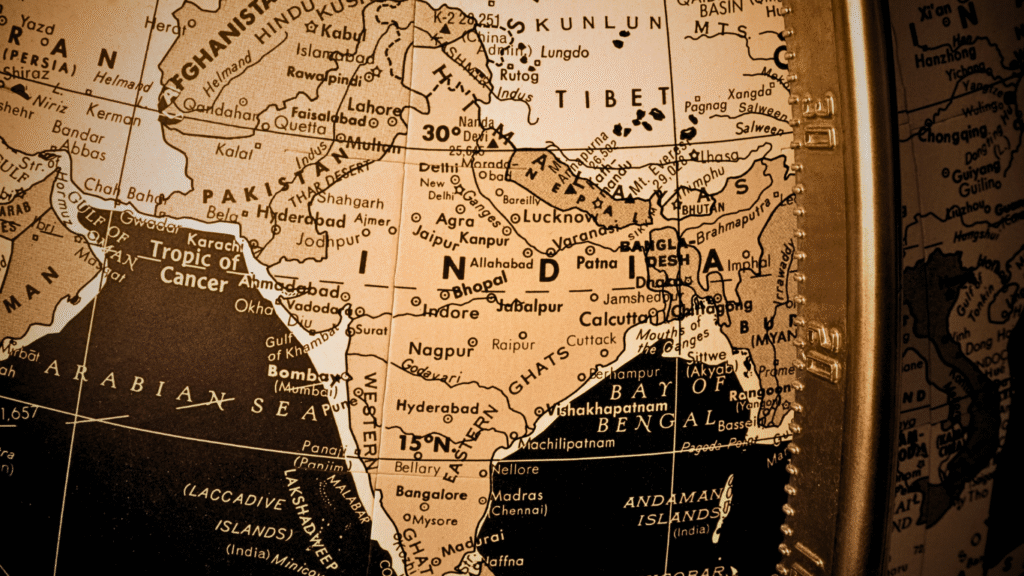
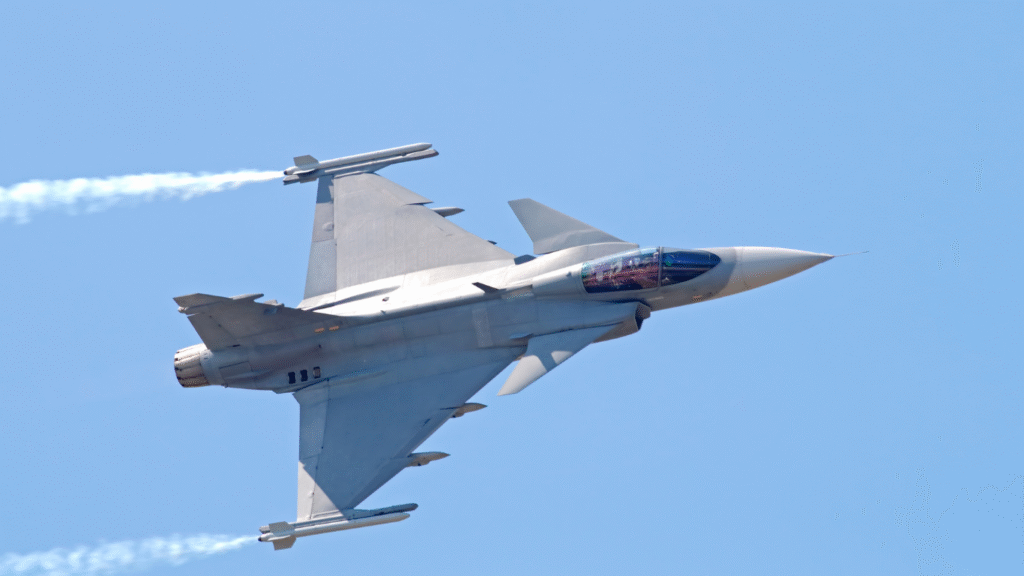
The Indian Air Force (IAF) stands as one of the most powerful aerial forces in the world. Backed by a legacy of discipline, precision, and courage, the IAF operates a diverse and formidable fleet of Indian Air Force jets that form the backbone of India’s air defense strategy.
From homegrown jets like the HAL Tejas to state-of-the-art foreign fighters like the Rafale, the Indian Air Force’s lineup represents a powerful blend of technology, speed, agility, and strength.
Let’s explore the top fighter jets in the IAF’s fleet and understand how each contributes to India’s air superiority.
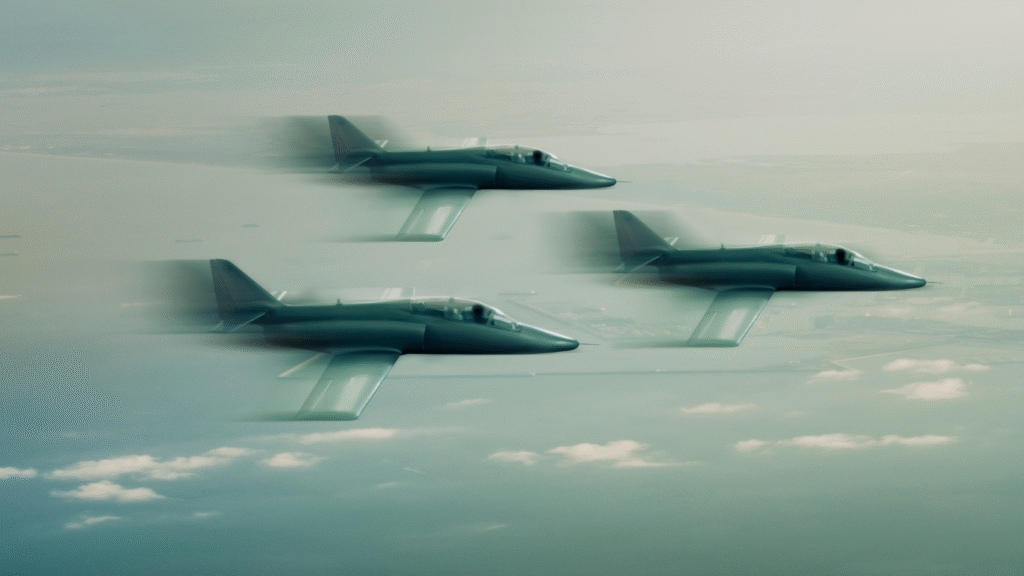
🇷🇺 Sukhoi Su-30MKI – The Backbone of IAF
The Sukhoi Su-30MKI is a twin-engine, multirole fighter developed jointly by Russia’s Sukhoi and India’s HAL (Hindustan Aeronautics Limited). It is the most numerous aircraft in the IAF and often described as its workhorse.
- Role: Air superiority, ground attack
- Top Speed: Mach 2.0
- Range: 3,000 km (extendable with refueling)
- Special Features: Thrust-vectoring engines, long-range radar, precision weaponry
The Su-30MKI is capable of deep-strike missions and is often seen in joint military exercises with countries like the US, France, and Russia.
🇫🇷 Dassault Rafale – India’s Modern Air Superiority Jet
The Dassault Rafale is the IAF’s newest and most advanced fighter jet, inducted in 2020. With cutting-edge avionics and weapons, the Rafale enhances India’s strategic strike capabilities.
- Role: Multirole – air-to-air, air-to-ground, reconnaissance
- Top Speed: Mach 1.8
- Combat Radius: 1,850 km
- Notable Weaponry: Meteor, SCALP, and Hammer missiles
What makes the Rafale standout is its “omnirole” capability—meaning it can switch roles during flight—and its unmatched combat-readiness in all weather conditions.
🇮🇳 HAL Tejas – India’s Indigenous Pride
Developed under India’s Light Combat Aircraft (LCA) program, the HAL Tejas is a single-engine, lightweight, multirole fighter. It marks India’s entry into indigenous modern aviation and continues to evolve with new variants.
- Role: Multirole – intercept, strike, air support
- Top Speed: Mach 1.6
- Design: Composite materials, digital fly-by-wire system
- Variants: Tejas Mk1, Mk1A, Mk2 (in development)
The Tejas is a symbol of Make in India, and its success is paving the way for future Indian-built jets like the AMCA (Advanced Medium Combat Aircraft).
🇷🇺 MiG-29 – The Agile Air Defender
Acquired in the 1980s, the MiG-29 remains one of the most agile fighters in the IAF fleet. Upgraded to the MiG-29UPG standard, this aircraft remains relevant in India’s defensive strategy.
- Role: Air superiority
- Top Speed: Mach 2.25
- Notable Features: Twin engines, upgraded radar and avionics
The MiG-29 continues to serve on frontline air bases, particularly in India’s northern sectors, and is known for its high maneuverability in dogfights.
🇫🇷 Mirage 2000 – The Kargil Game-Changer
The Mirage 2000, a product of French aerospace company Dassault, proved its mettle during the Kargil War in 1999. Its precision strike capabilities at high altitudes gave India a crucial edge.
- Role: Multirole, ground attack
- Top Speed: Mach 2.2
- Notable Features: Fly-by-wire control, delta-wing design
- Combat Proven: Kargil War, Balakot airstrike (2019)
Despite its age, the upgraded Mirage 2000 fleet remains a strategic asset, capable of delivering precision-guided bombs in hostile terrains.
🚀 Why the IAF’s Diverse Fleet Matters
Having a range of aircraft from different origins (Russia, France, India) helps the IAF:
- Maintain operational flexibility
- Adapt to diverse combat scenarios
- Avoid over-dependence on one country
- Harness the best features of multiple platforms
It also ensures that the IAF can respond to threats from land, air, or sea with a full spectrum of tactical and strategic options.
✈️ Conclusion: A Force to Reckon With
The Indian Air Force’s fighter fleet reflects the country’s commitment to defense, self-reliance, and regional stability. From the reliable Su-30MKI to the technologically advanced Rafale, and the indigenously developed Tejas, each jet plays a crucial role in maintaining air superiority.
As India continues to modernize its air fleet, with upcoming platforms like the AMCA and more Tejas Mk2s, the sky is truly the limit.