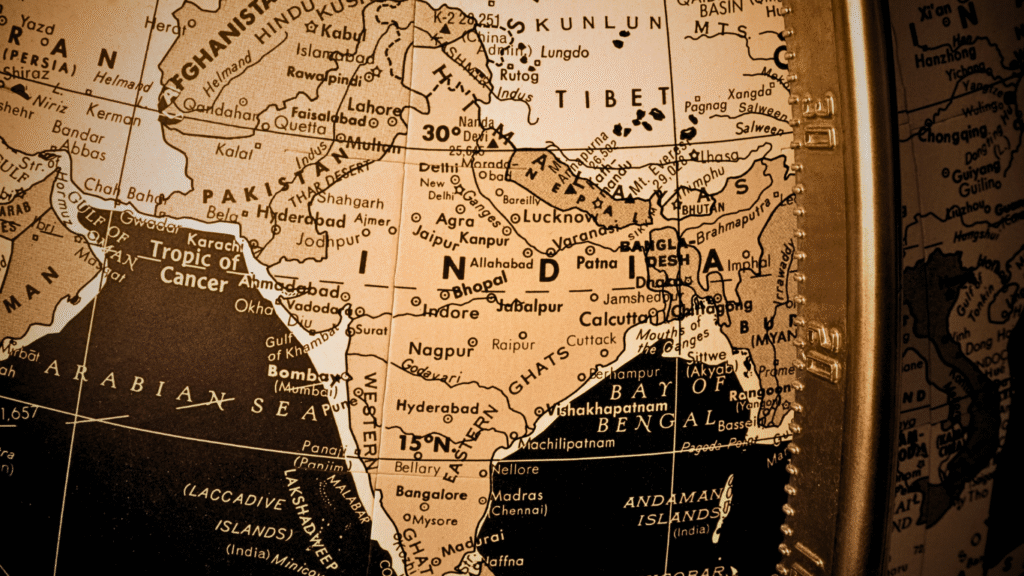
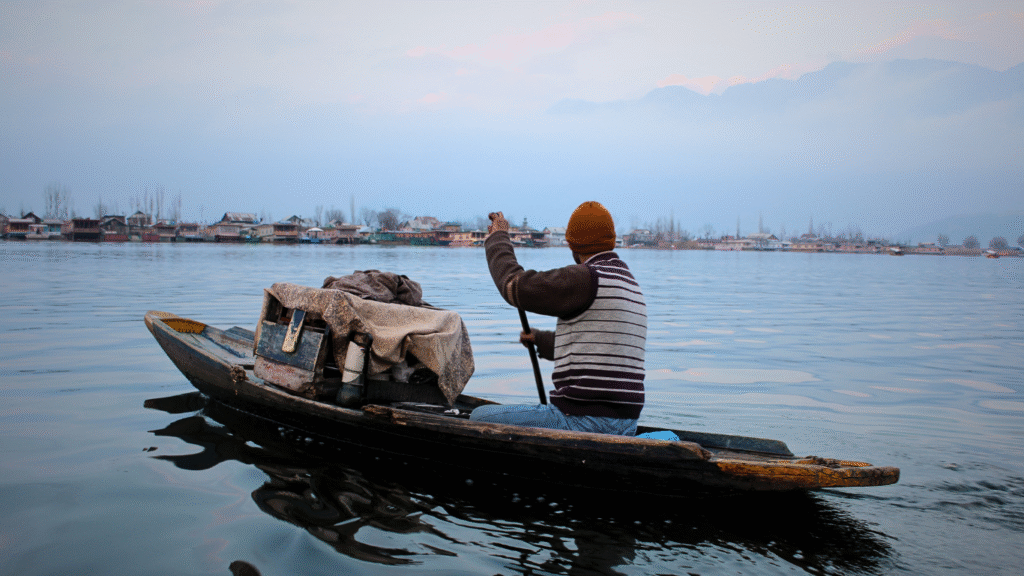
The region of Jammu & Kashmir has long been at the heart of one of South Asia’s most debated and misunderstood issues. Many people wonder, Why Kashmir Is Part of India and Not Pakistan? The answer lies in a mix of historical decisions, legal agreements, and political developments that began in 1947, the year of India’s independence.
Let’s explore the real story, beyond media noise and emotional debates—looking at facts, timelines, and what history tells us.
A Brief Background: The Princely States of 1947
When the British left India in August 1947, more than 560 princely states were given the option to join either India or Pakistan—or remain independent. These decisions were to be based on geography, demography, and the ruler’s choice.
Jammu & Kashmir, ruled at that time by Maharaja Hari Singh, was a princely state with a majority Muslim population but a Hindu ruler. Initially, he wanted to remain independent and delayed his decision to join either side.
The Turning Point: Tribal Invasion and Accession to India
In October 1947, armed tribal invaders from Pakistan entered Kashmir with the intent of forcibly annexing it. Facing a crisis, Maharaja Hari Singh sought help from India. The Indian government made it clear that military assistance could only be given if Jammu & Kashmir legally acceded to India.
On October 26, 1947, Maharaja Hari Singh signed the Instrument of Accession, a legal document that merged Kashmir into the Indian Union. India accepted the accession and sent its army to push back the invaders. This is the legal foundation on which India’s claim to Kashmir stands.
What Is the Instrument of Accession?
The Instrument of Accession was the same document signed by rulers of other princely states to join India or Pakistan. It was legally binding under the Indian Independence Act of 1947 passed by the British Parliament.
Jammu & Kashmir’s accession to India was:
- Legal under international and Indian law
- Accepted by the Indian government
- Conditional at first, allowing the state some autonomy (later modified)
Role of Article 370 and Its Revocation
To respect the unique circumstances of Kashmir’s accession, Article 370 was added to the Indian Constitution, granting the state temporary special status. However, in August 2019, this special status was revoked by the Indian Parliament, fully integrating Jammu & Kashmir like any other Indian state or union territory.
Why Not Pakistan? Kashmir Is Part of India
Despite religious demography, territorial decisions were never based on religion alone. Pakistan’s argument rests largely on religious grounds, but in terms of legal process and international agreements, it holds no valid claim. The UN also recognizes the Instrument of Accession signed in 1947, though it has called for peaceful dialogue.
Key Reasons – Kashmir Is Part of India
- Legal Accession: The Maharaja signed the Instrument of Accession.
- Military Defense: India acted after a formal agreement, not unilaterally.
- UN Position: Recognized India’s control, though it called for peaceful resolution.
- Democratic Inclusion: Elections, development, and Indian laws have extended to the region.
- Constitutional Integration: With Article 370 removed, Jammu & Kashmir is fully integrated.
Conclusion: Understanding Beyond Politics – Kashmir Is Part of India
Kashmir’s status as a part of India is not just a political viewpoint—it’s a fact grounded in legal documents, historical events, and constitutional processes. While emotional and religious narratives continue to cloud the issue, the truth is rooted in clear, historical decisions.
India continues to invest in Kashmir’s development, infrastructure, and integration. The goal is not just legal unity, but emotional and economic unity too. As citizens, understanding the real story behind Kashmir helps us move beyond myths and towards informed dialogue.