
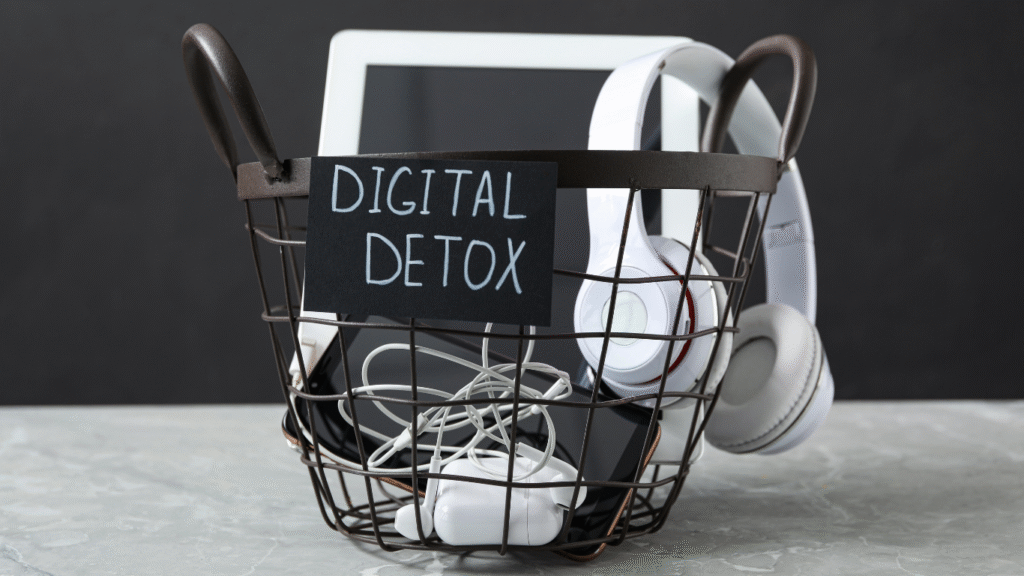
We live in an age where our screens rarely go dark. From smartphones and tablets to smartwatches and TVs, we’re surrounded by digital devices 24/7. While technology has undoubtedly made life easier, it’s also quietly changing how we live, think, and interact. The result? A rising wave of digital addiction.
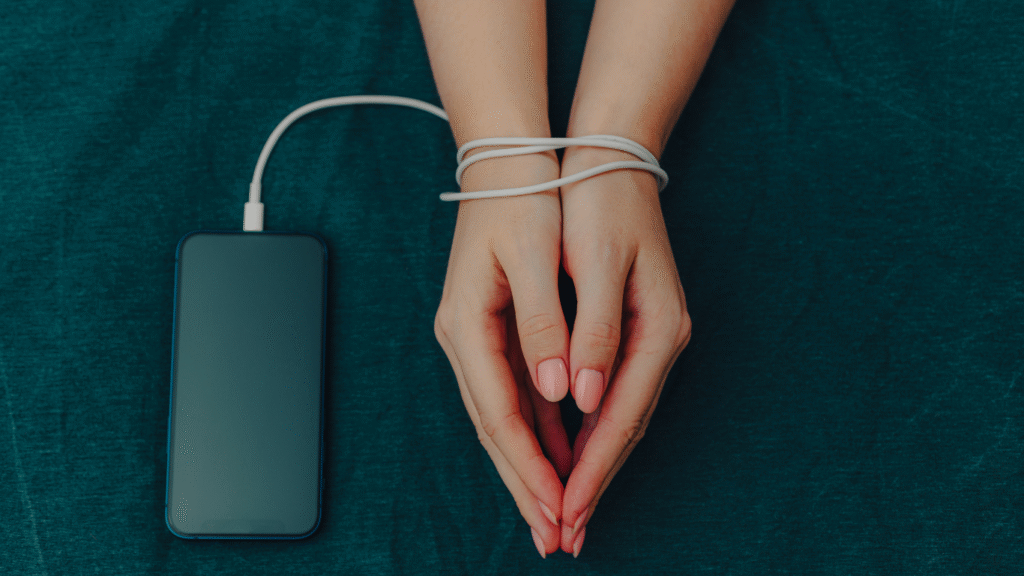
What Is Digital Addiction?
Digital addiction isn’t officially listed as a clinical disorder (yet), but its effects are very real. It refers to compulsive, excessive use of digital devices that interferes with daily life. It’s not about avoiding technology—it’s about not being able to stop.
This type of addiction can show up in different forms:
- Obsessive social media scrolling
- Excessive online gaming
- Endless binge-watching
- Compulsive web browsing
- Fear of missing out (FOMO) when not online
Why We Get Hooked
Technology is designed to grab your attention. The “likes,” “follows,” and “notifications” trigger dopamine—the brain’s feel-good chemical. It’s the same chemical released with addictive substances. Over time, the more we crave these digital rewards, the harder it becomes to unplug.
Signs You Might Be Addicted to Your Devices
- Feeling anxious or restless without your phone
- Constantly checking notifications, even when there are none
- Using devices to escape real-life problems
- Neglecting responsibilities or relationships
- Losing track of time while online
Real-Life Impact of Digital Addiction
Digital addiction doesn’t just eat up your time—it affects your health, relationships, and productivity:
- Mental Health Issues: Linked to anxiety, depression, and low self-esteem.
- Poor Sleep: Blue light and late-night scrolling disrupt sleep cycles.
- Strained Relationships: Being “online” more than “present” creates distance.
- Reduced Attention Span: Constant notifications make it harder to focus.
- Physical Effects: Eye strain, neck pain, and even headaches from screen overuse.
Why It’s a Growing Concern
The impact of digital addiction goes beyond screen fatigue. It can lead to poor sleep, reduced productivity, social isolation, and even mental health issues like anxiety and depression. What’s more alarming is how normalized it’s become—even children are showing signs of dependence on screens at an early age.
How to Regain Balance
- Set Boundaries
Designate tech-free hours—especially during meals and before bedtime. - Track Screen Time
Awareness is the first step. Use built-in tools to monitor daily usage. - Engage Offline
Replace screen time with hobbies, nature walks, or real conversations. - Turn Off Notifications
Fewer pings mean fewer temptations to pick up your phone unnecessarily. - Practice Mindfulness
Meditation and intentional breathing help ground you in the present.
Let’s Reconnect—with Life
Technology should serve us, not consume us. Being aware of our screen habits is the first step toward change. When we disconnect from the digital world—at least occasionally—we reconnect with what really matters: real conversations, nature, creativity, and peace of mind.
Finding balance doesn’t mean quitting technology. It means using it with purpose and awareness. Because when we’re too plugged in, we risk missing out on life itself.
The Bigger Picture
Digital addiction isn’t about blaming technology. It’s about how we use it. Finding balance doesn’t mean cutting off devices completely—it means using them in a way that supports our well-being instead of consuming it. It’s okay to be connected, as long as we’re not disconnected from ourselves.